The Pekoe Trail: Sri Lanka’s Most Beautiful Hiking Experience
The Pekoe Trail: Sri Lanka’s Most Beautiful Hiking Experience


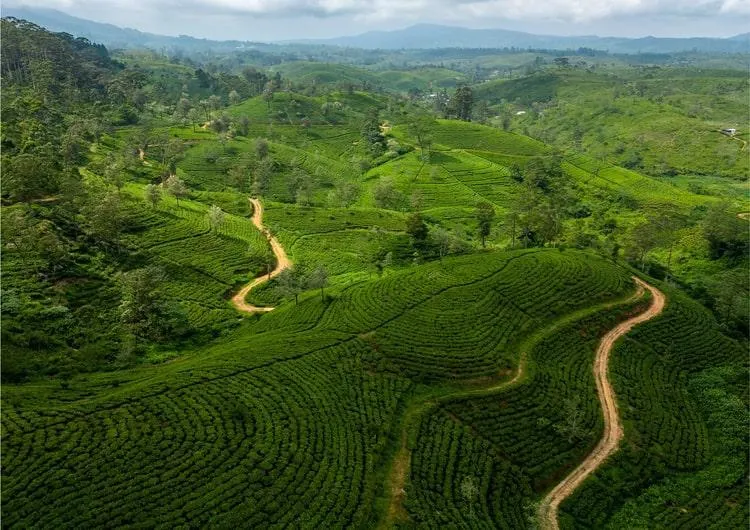
Hidden deep within Sri Lanka’s misty hill country is one of Asia’s most breathtaking hiking adventures — The Pekoe Trail. Stretching over 300 kilometers across Sri Lanka’s central highlands, this world-class long-distance hiking trail takes travelers through tea plantations, cloud forests, waterfalls, mountain villages, and some of the most scenic landscapes on the island.
For travelers looking to experience the authentic side of Sri Lanka beyond beaches and resorts, the Pekoe Trail offers an unforgettable journey through the heart of the country’s tea country and cultural heritage. The trail has quickly become one of the top eco-tourism and adventure travel experiences in South Asia.
What Is the Pekoe Trail?
The Pekoe Trail is Sri Lanka’s first official long-distance hiking trail. The route covers more than 300 km and is divided into 22 stages connecting destinations such as Kandy, Hatton, Haputale, Ella, and Nuwara Eliya.
The name “Pekoe” comes from the high-grade black tea historically produced in Sri Lanka’s hill country. Many sections of the trail follow old colonial tea transport paths originally built during the British era.
Along the route, hikers pass:
Endless tea plantations
Remote mountain villages
Forest trails and waterfalls
Historic railway tracks
Tea factories and estate bungalows
Scenic viewpoints above the clouds
Why the Pekoe Trail Is Becoming Famous Worldwide


The Pekoe Trail has received major international attention and was named one of TIME Magazine’s “World’s Greatest Places” in 2025. Travel publications and hiking communities around the world are now calling it one of the best emerging hiking destinations globally.
Unlike crowded trekking routes in other countries, the Pekoe Trail still feels raw, peaceful, and authentic. Many stages allow travelers to walk for hours through nature and villages without seeing large tourist crowds.
The trail also supports sustainable tourism by helping rural communities benefit directly from travelers visiting Sri Lanka’s hill country.
Best Sections of the Pekoe Trail
Some of the most popular and scenic stages include:
Ella to Haputale
One of the most famous stretches with dramatic mountain views, tea estates, and cool weather.
Kandy to Galaha
A beautiful introduction to the trail with forests, tea fields, and traditional villages.
Horton Plains Region
Offers cloud forests, wildlife, open grasslands, and breathtaking scenery.
Hatton and Bogawantalawa
Known for luxury tea bungalows, rolling green hills, and classic Ceylon tea landscapes.
Each stage usually takes around 3 to 6 hours depending on terrain and hiking experience.
Is the Pekoe Trail Difficult?
The great thing about the Pekoe Trail is that it works for both beginner and experienced hikers. Some stages are relatively easy with gentle terrain, while others are more challenging with elevation and longer distances.
Travelers can:
Hike a single day stage
Do a multi-day hiking trip
Complete the entire 22-stage trail over several weeks
Many hikers choose to combine hiking with scenic train rides and boutique hotel stays in Sri Lanka’s hill country.
Best Time to Hike the Pekoe Trail
The best months for hiking are generally from November to April when the weather is cooler and drier in Sri Lanka’s central highlands. However, conditions can change quickly in the mountains, and hikers should always check official trail updates before starting.
Recent official trail updates in 2026 confirmed that most stages remain open following weather recovery work in the hill country.
Why You Should Experience the Pekoe Trail


The Pekoe Trail is more than just a hike — it’s a journey through the soul of Sri Lanka. From smiling tea workers and mountain sunrises to hidden waterfalls and endless green landscapes, every stage offers something unforgettable.
For travelers seeking wellness, adventure, nature, photography, or cultural experiences, the Pekoe Trail is quickly becoming one of the most unique travel experiences in Sri Lanka and all of Asia.
